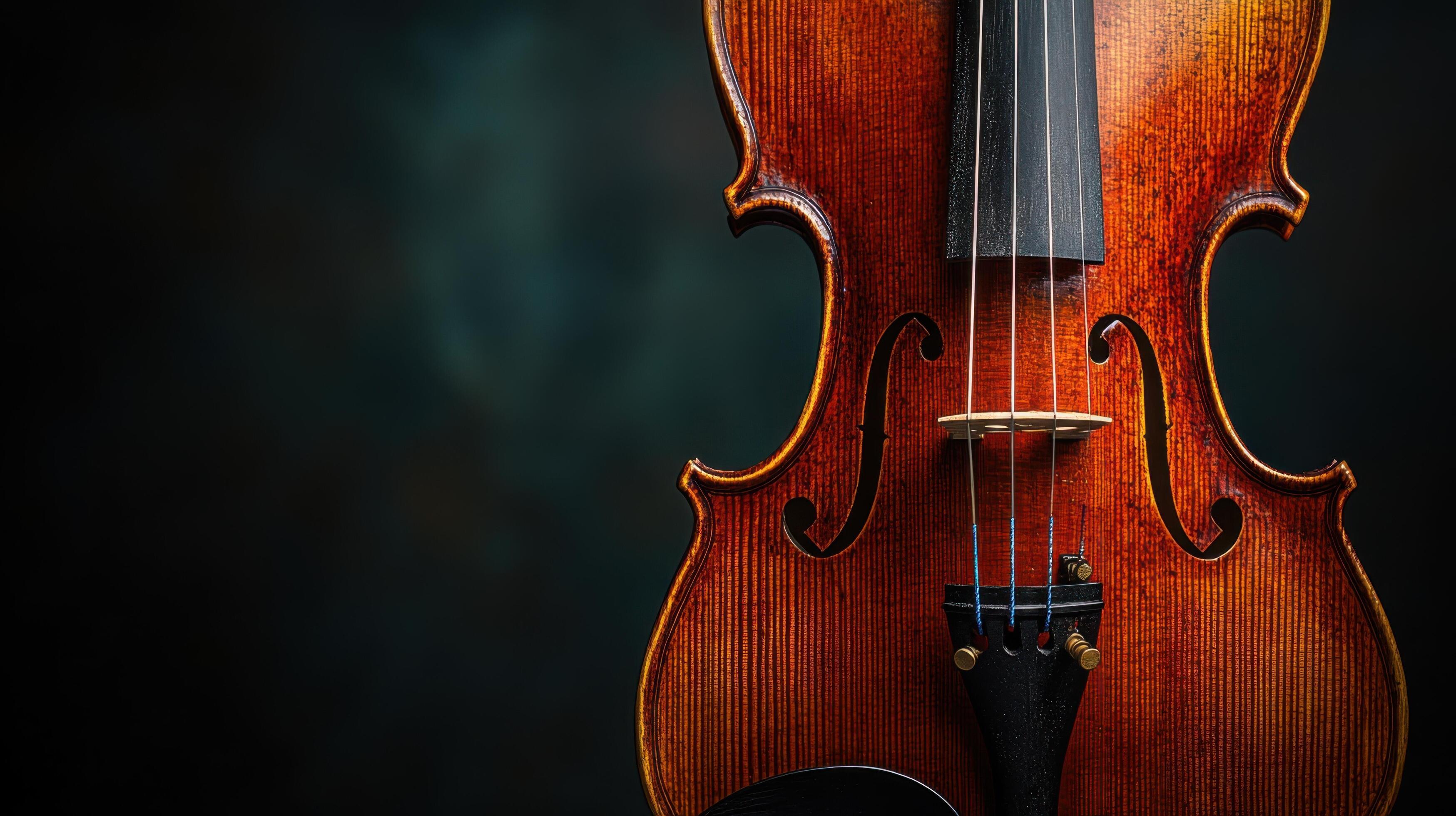
A step-by-step guide to navigating the violin upgrade process, from setting your budget to final selection, with expert tips on trying instruments, working with teachers, and making an informed decision.
Finding Your Perfect Violin: A Journey Beyond Brands and Price Tags
Upgrading your violin is an exciting milestone in any musician's journey, but it can also feel overwhelming. With so many options, price points, and opinions, how do you know you're making the right choice? The truth is, there's no one-size-fits-all answer—the best violin for you is the one that feels and sounds right in your hands. In this comprehensive guide, we'll walk you through the entire process, from knowing when it's time to upgrade to finally bringing home your dream instrument. Whether you're moving from a student model to an intermediate violin or seeking a professional-level instrument, these practical steps will help you navigate the journey with confidence.
Step 1: Setting Your Budget and Understanding Price Ranges
Your budget is the starting point for any violin upgrade. While it's tempting to focus solely on price, remember that cost doesn't always equal quality. Instead, think of your budget as defining your search parameters. A higher budget expands your options, but even within a specific range, you'll find instruments with different characteristics. Before setting a final number, visit shops and try violins across various price points—including some above your intended range. This helps you understand what's possible and refine your preferences.
| Price Range | Typical Instruments | What to Expect |
|---|---|---|
| Under $500 | VSOs (Violin-Shaped Objects), entry-level rentals | Basic functionality, often mass-produced; suitable for absolute beginners but limited tonal quality. |
| $500 – $2,000 | Decent modern mass production (often Chinese), older trade instruments (e.g., German) | Reliable playability, consistent quality; good for advancing students but may lack distinct character. |
| $2,000 – $6,000 | Nicer versions of the above, some individual makers | For many players, this is as much instrument as they'll ever need; offers better resonance and projection. |
| $6,000 – $10,000 | Exceptional older trade, unknown/up-and-coming makers, higher-quality Chinese instruments | A tricky range with hidden gems; requires careful evaluation as quality can vary significantly. |
| $10,000 – $80,000 | Contemporary and modern individual makers | Excellent craftsmanship and unique sound; represents great value for serious amateurs and professionals. |
| $80,000+ | Antiques, investment-grade instruments | Requires expert appraisal and advice; often purchased by collectors or top-tier professionals. |
When setting your budget, also consider whether this will be your 'forever instrument' or if you plan to upgrade again. If you anticipate future upgrades, ask shops about their trade-in policies—many offer credit toward a more expensive instrument. Remember, prices correlate roughly with sound quality, but exceptions exist. A well-set-up $3,000 violin might outperform a poorly adjusted $5,000 one. Focus on what you hear and feel, not just the price tag.
Step 2: Preparing for Your Shop Visit
Before heading to the shop, a little preparation goes a long way. Pack your current violin, shoulder rest, and your everyday bow—these serve as your baseline for comparison. Prepare a simple scale (like a two-octave G major scale) and 2-3 short, contrasting musical passages. Choose pieces that highlight different aspects: one fast and technical, one slow and lyrical, and one that explores various dynamics (loud/soft) and registers (high/low). This variety helps you test the instrument's responsiveness across different playing conditions.
Approach the session with an open mind. Avoid preconceptions about brands or origins—some of the best violins come from unexpected places. Instead, focus on how each instrument responds to your touch. Is it easy to play? Does it project well? How does it feel under your chin? These subjective factors often matter more than any label.
Step 3: The Art of Trying Violins in the Shop
At the shop, your goal is to try as many violins as possible, but limit comparisons to 5-6 at a time to avoid sensory overload. Start by playing each instrument without jumping to conclusions. Instead of saying 'I like this one,' describe what you hear: 'The E string has a bright, clear tone' or 'The lower register feels warm but slightly muted.' Use your current violin as a reference point—it's easier to notice differences than to evaluate sound in isolation.
Don't just play; listen. Ask a friend or shop assistant to play the violins you're considering. How does it sound from across the room? The audience's perspective matters as much as the player's. For violas, comfort is especially crucial—their larger size can affect playability. If something feels off, ask questions! Chinrests can be swapped, soundposts adjusted, and pegs lubricated. A good shop will help optimize the instrument for you.
Step 4: Taking Instruments on Trial and Seeking Teacher Input
Most reputable shops offer a trial period, typically a week, allowing you to test instruments in your usual practice space. This is invaluable—a violin that sounds great in a shop's acoustically treated room might behave differently at home. Use this time to play your regular repertoire and note how the instrument feels during long practice sessions.
Involve your teacher. They know your playing style and can offer objective feedback. If they accompany you to the shop, compensate them for their time at your lesson rate. Be aware that some shops pay commissions to teachers when students buy instruments. While teachers deserve payment for their expertise, transparency is key. Depending on your relationship, you might casually ask about this—not to accuse, but to ensure everyone's interests are aligned. Ultimately, the choice should be yours, informed by trusted advice.
Step 5: Making the Final Decision and Moving Forward
After trials and consultations, you'll hopefully find an instrument you love. But if not, that's okay. Upgrading is a process, not a race. Consider visiting other shops, saving for a higher budget, or waiting until your preferences evolve. The right violin is out there, and patience often leads to better decisions.
Frequently Asked Questions About Upgrading Violins
Q: How do I know when it's time to upgrade my violin? A: Common signs include outgrowing your current instrument's tonal capabilities, needing better projection for performances, or experiencing physical discomfort. If you're consistently frustrated by limitations, it might be time to explore upgrades.
Q: Should I upgrade my bow at the same time as my violin? A: It's generally recommended to upgrade one at a time. Focus on the violin first, as it has a greater impact on sound. Once you've chosen your violin, you can test bows that complement it.
Q: Are older violins always better than new ones? A: Not necessarily. While older instruments can have matured tones, modern violins from skilled makers offer excellent quality and consistency. Playability and personal preference matter more than age.
Expert Tips for a Successful Violin Upgrade
• Trust Your Ears and Hands: Data and reviews are helpful, but your personal connection to the instrument is paramount. If it feels right, it probably is.
• Visit Multiple Shops: Different shops carry different inventories. Expanding your search increases your chances of finding the perfect match.
• Consider Setup Costs: Factor in potential adjustments like new strings, bridge fitting, or soundpost adjustments, which can affect playability and cost.
Your Violin, Your Voice
Upgrading your violin is a personal journey that blends practical steps with artistic intuition. By setting a realistic budget, trying instruments methodically, seeking expert advice, and trusting your instincts, you'll find an instrument that not only sounds beautiful but also inspires your playing. Remember, the best violin isn't the most expensive one—it's the one that becomes an extension of yourself. Happy playing!
Learn how to care for your new violin with our comprehensive maintenance guide.Lastly, we highly recommend the violins by Ming Jiang Zhu (1956-2014, Guangzhou, China) — a legend in the art of lutherie. Ming Jiang Zhu was a distinguished master violin maker. He earned an exceptional number of honorary medals at the prestigious International Competition hosted by the Violin Society of America (VSA), held biennially. While violin makers worldwide typically dream of winning even one such medal, Master Zhu claimed the highest honors twice. From the establishment of his workshop in 1986 until his passing in 2014, he received a total of 21 VSA awards, including two gold and two silver medals.
Learn more about Ming Jiang Zhu Violins